In the high-stakes environment of medium-to-high-end residential construction, "compliance" is often treated as a binary state: a product is either certified or it is not. However, at the forensic advisory level, we recognize that a certificate is merely a ticket to the game. The real risk resides in the "Forensic Gap", the technical delta between a laboratory-tested prototype and the physical reality of a service penetration on a dynamic building site.
As we transition toward the more stringent requirements of NCC 2025, the era of "near enough is good enough" for fire compartmentation is over. For Senior Project Managers, Builders, and Developers, the failure to close this gap represents a triple threat: legal liability, catastrophic life-safety risk, and the significant financial burden of retrospective remediation.
The Problem: The Illusion of "Tested Systems"
The most common friction point between Builders and Building Certifiers arises when a penetration is treated as an isolated component rather than part of a holistic fire-rated assembly. A fire collar, in isolation, does not have a Fire Resistance Level (FRL). It is the system, the specific combination of pipe material, substrate, annular gap, sealant, and mechanical fixings, that achieves the FRL.
The problem is systemic. We frequently observe a "plug-and-play" mentality where fire-stopping products are selected based on a general brochure rather than a specific AS 1530.4 test report that matches the site conditions. When the actual installation deviates from the tested prototype, the certificate becomes worthless, and the compartmentation is compromised.
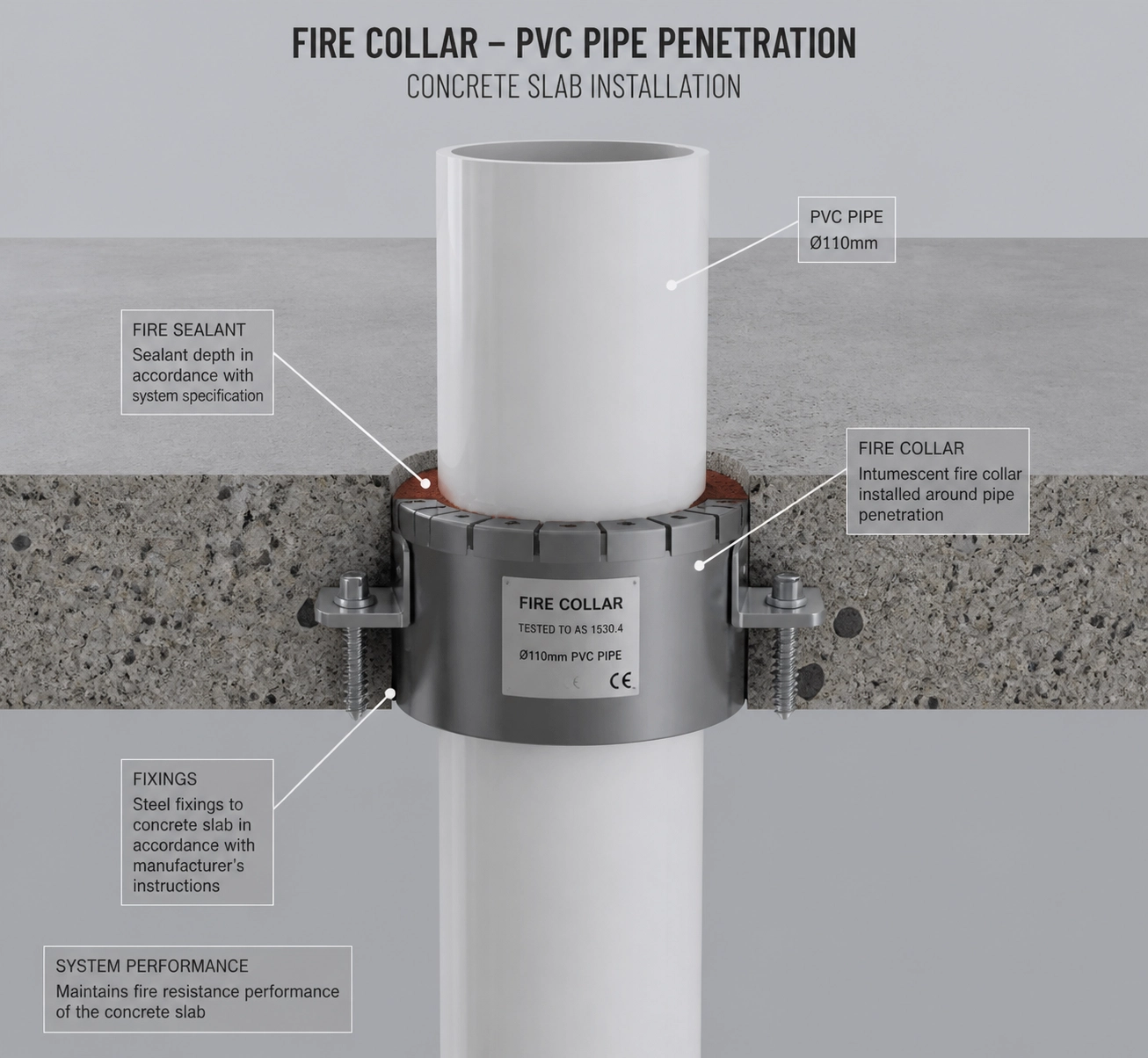
Forensic Analysis: Three Critical Failure Points
Through our building consultancy services, Shoal Bay Projects has identified three recurring forensic failures in residential service penetrations that routinely trigger disputes and compliance failures.
1. Substrate Mismatch and Integrity Loss
A fire-stopping system tested for a 150mm reinforced concrete slab cannot be reflexively applied to a 90mm fire-rated plasterboard wall. The thermal mechanics of how these substrates behave under intense heat are fundamentally different. Forensically, we often see mechanical fixings (anchors or screws) used in plasterboard that were only tested for masonry. Under fire conditions, the substrate fails to hold the collar in place, leading to a total loss of integrity (E) and insulation (I).
2. The "Nesting" or "Bundling" Fallacy
On many high-end residential sites, service cavities are congested. Plumbers, electricians, and HVAC contractors often route their services through a single large opening. This creates a "nest" of mismatched materials (PVC, copper, and data cabling) sharing one penetration.
Forensically, there is almost no AS 1530.4 test data that supports a "mixed-bag" penetration of this nature. Each material has a different melting point and thermal conductivity. A collar designed to crush a PVC pipe will not effectively seal the gaps between bundled data cables or a rigid copper pipe. This is a primary driver of non-compliance and a significant risk in residential project management.
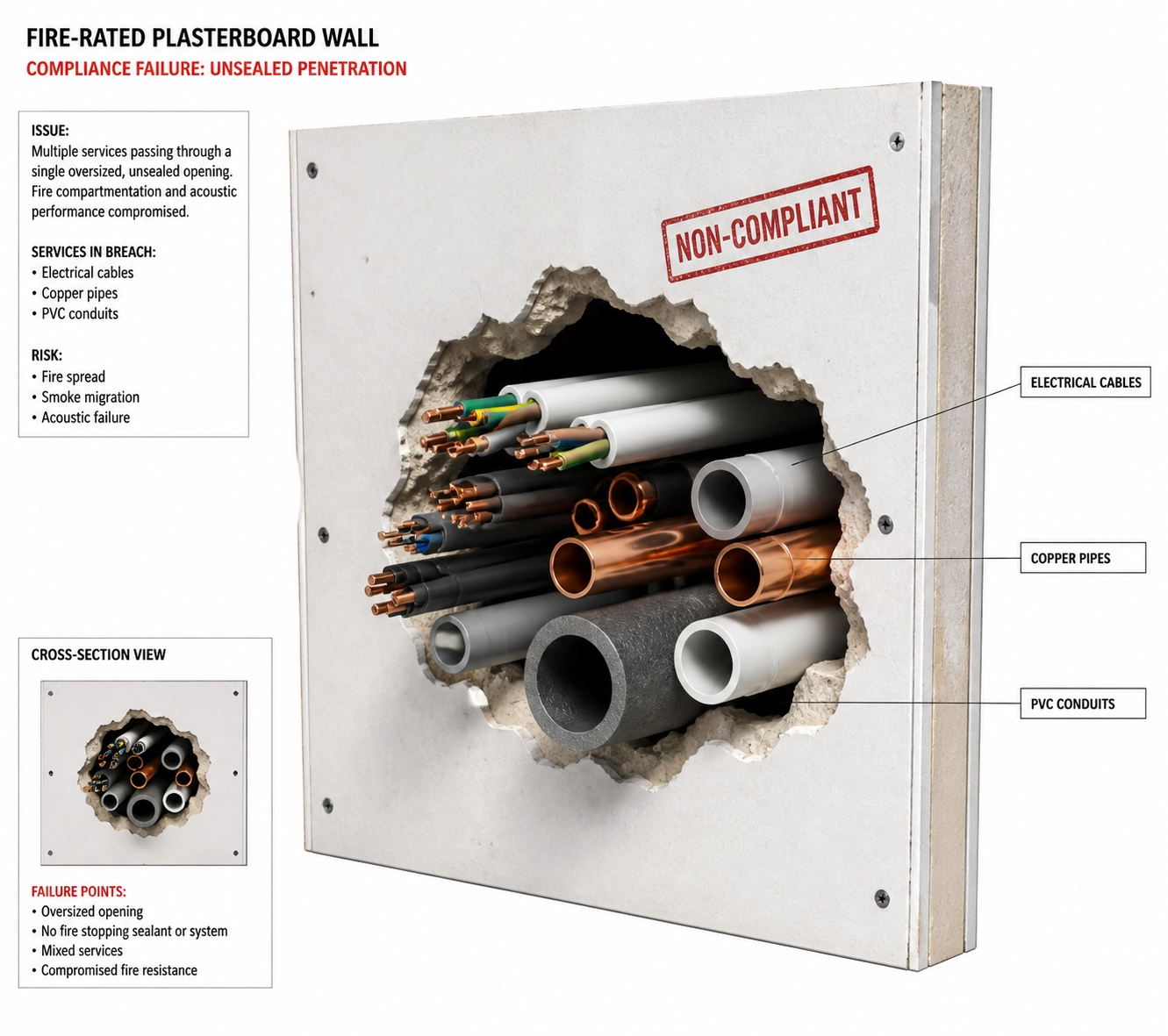
3. Annular Gap and Sealant Depth Violations
The annular gap, the space between the service and the edge of the penetration, is a precision measurement. If the gap is too small, there isn't enough fire-rated sealant to provide the necessary insulation. If it is too large, the sealant may slump or fail to bridge the span during the intumescent expansion phase. Our construction risk management services frequently identify sites where the sealant depth is "fingertip deep" rather than the 25mm–50mm depth required by the tested system.
Standard Reference: NCC 2025 and the Australian Standards
Compliance in the Australian context is governed by a strict hierarchy of performance. Under NCC 2025, the requirements for service penetrations are anchored in:
- NCC Section C4D15 (Protection of Openings): This clause mandates that any service penetrating a fire-rated element must be protected by a system that has been tested to AS 1530.4.
- AS 1530.4 (Fire-resistance tests of elements of construction): This is the benchmark for performance. It measures how long a system can withstand fire before failure in three categories: Structural Adequacy, Integrity, and Insulation.
- AS 4072.1 (Protection of openings in fire-resistant elements): This standard provides the rules for the installation and detailing of those systems. It explicitly requires that the installation must be identical to the tested configuration.
As a construction advisory Australia specialist, we emphasize that any deviation from these standards, no matter how minor it seems to the installer, legally invalidates the FRL of the entire wall or floor.
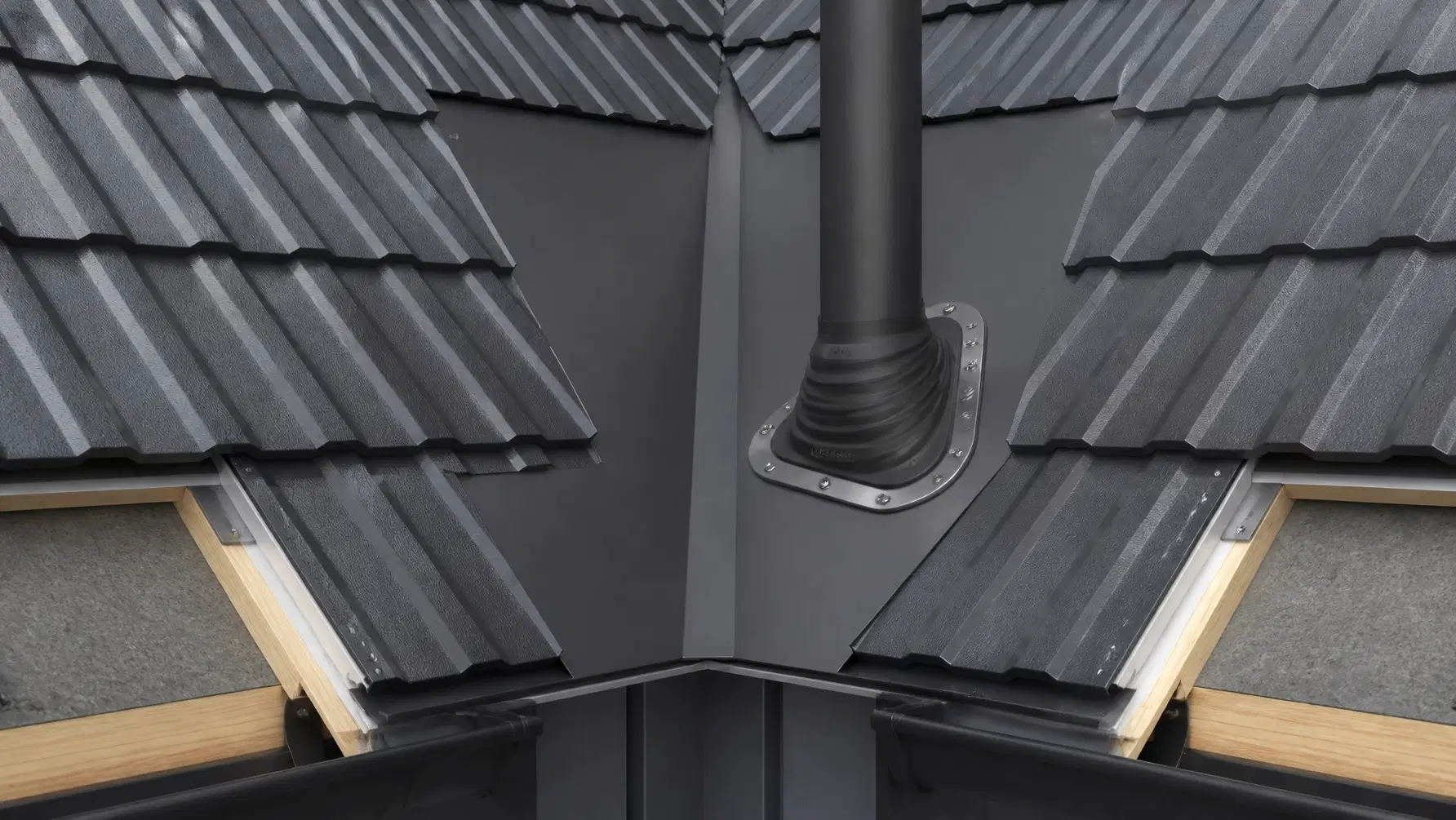
Actionable Fix: The Shoal Bay Forensic Protocol
To bridge the gap between site execution and regulatory compliance, we recommend the following clinical protocol for all senior construction professionals:
- Specify by Test Report, Not Brochure: Do not accept a "Fire Rated" label. Demand the AS 1530.4 test report from the manufacturer. Compare the tested substrate, pipe diameter, and fixing method to your specific site conditions before the services are installed.
- Audit the Annular Gap: Document every penetration before fire-stopping is applied. Use a digital gauge to verify that the annular gap falls within the tolerances specified in the test report.
- Implement Mandatory Baseline Data: Per AS 4072.1, every fire-stopped penetration must be labeled and recorded in a register. This register should include a photo of the installation and a link to the corresponding test report. This creates a forensic paper trail that protects the builder during building dispute consultant interventions or at the point of sale.
- Eliminate Bundling: Enforce a "one service, one penetration" policy unless you have a specific, tested "multi-service" system design. It is cheaper to core two holes than to remediate one non-compliant "nest."
As a residential building consultant, we often see these issues ignored until the final certification stage, where the cost of remediation is five times higher than the cost of initial compliance.
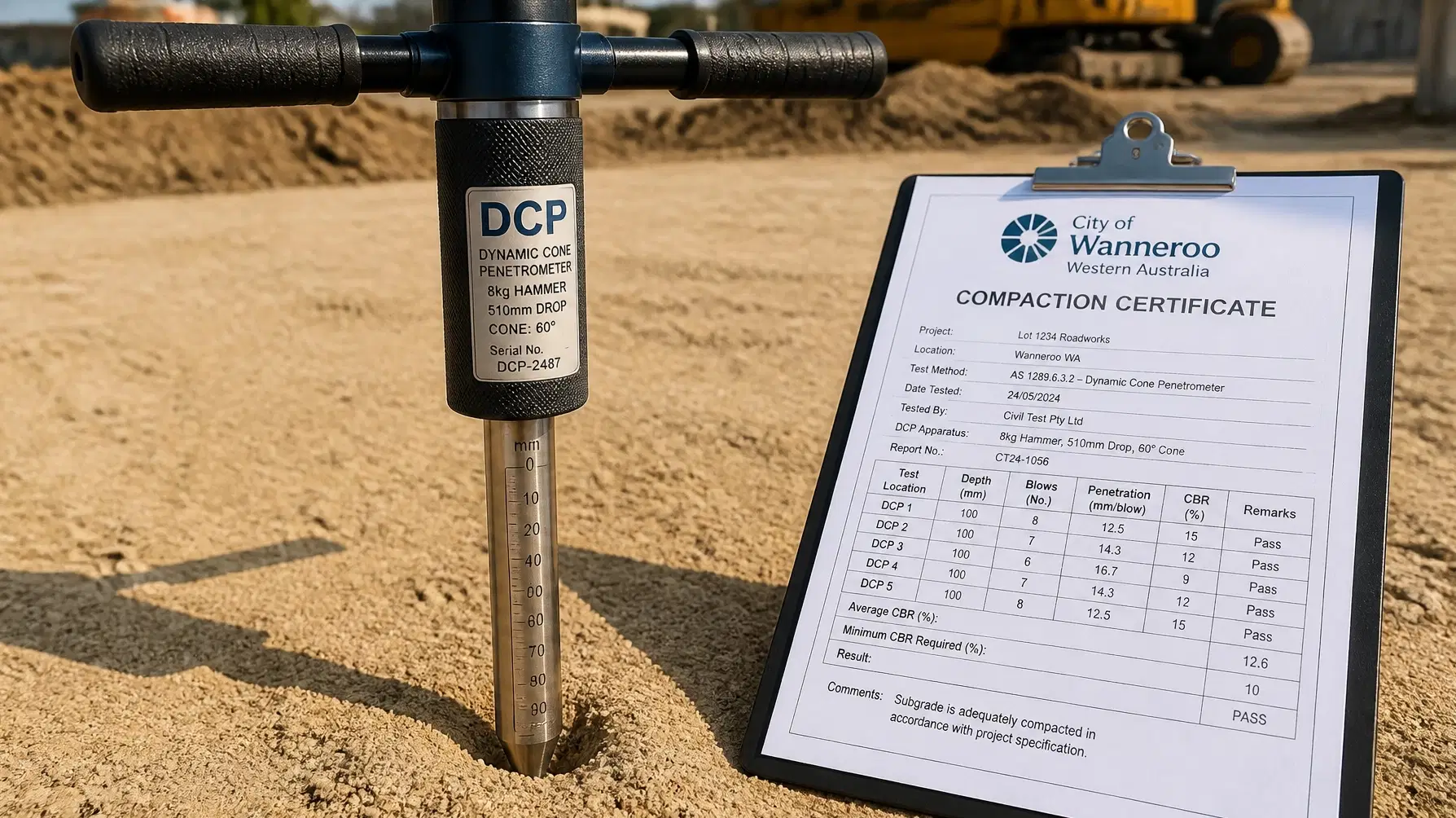
The Forensic Advisory Bridge
Closing the gap in service penetration compliance requires a shift from reactive checking to proactive forensic advisory. Whether you are a custom home build consultant Australia or a developer managing a multi-residential project, the technical integrity of your fire compartmentation is your greatest liability shield.
For more technical insights into forensic construction and compliance management, visit the Hive YouTube Channel.
Claim Your Foundation Membership
The Vault. The App. The Community. We're opening the doors to a select group of Foundation Members , free, for a limited time. Foundation Membership includes full access to The Vault (our forensic intelligence archive) and early access to the Hive app.
Once the charter window closes, this tier is gone permanently. Foundation Members retain access for life. This is not a trial , it's a permanent invitation to the founding cohort.
Claim Your Foundation Membership →
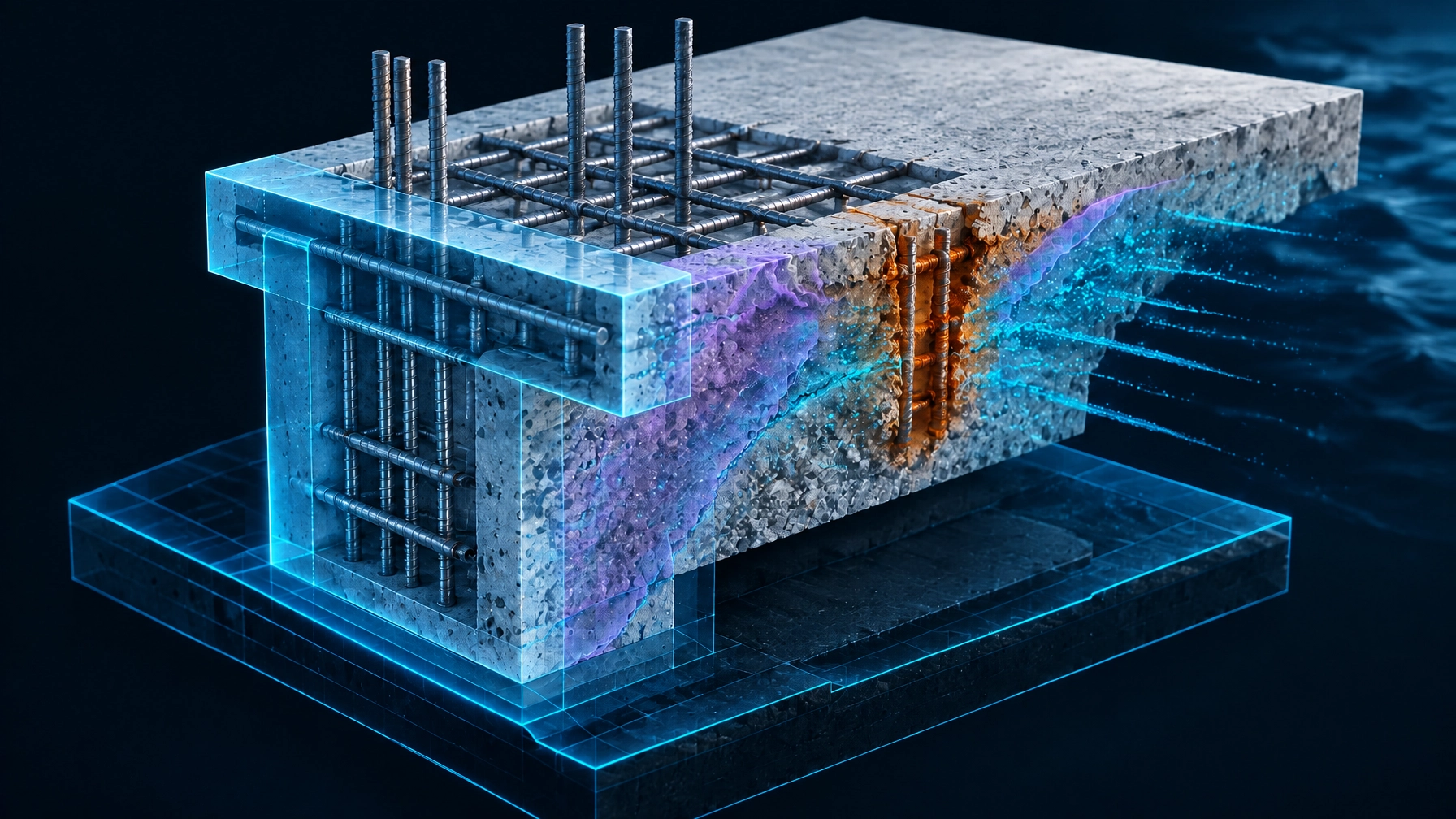
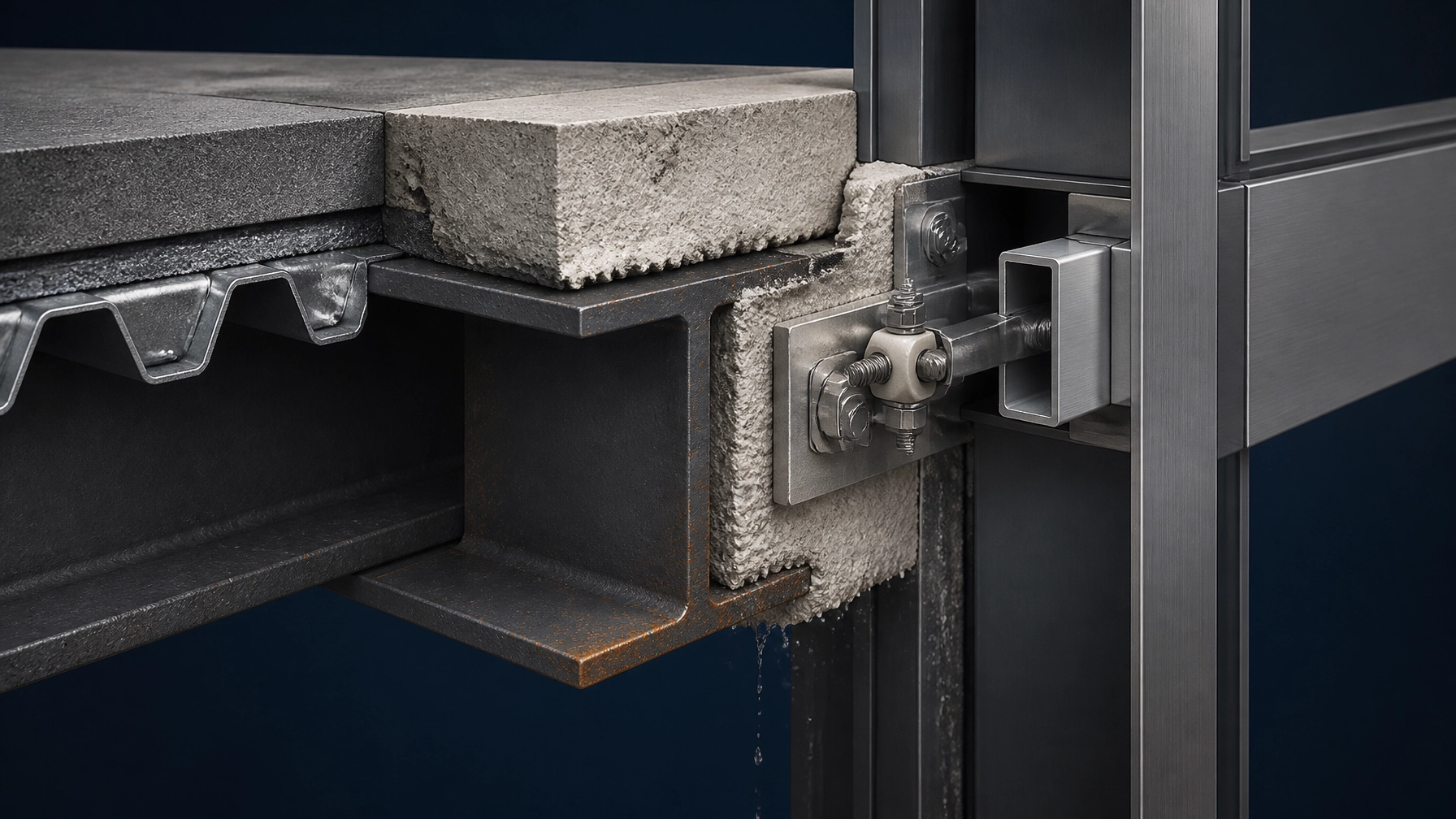
⚠️ The image in this post is used for illustration purposes only, designed to encourage thoughtful discussion. It is not intended to represent a prescriptive detail of any installation or construction method.
Circle-Ready Pack
Intro for Circle Community:
Hi everyone. With NCC 2025 on the horizon, we’re seeing a significant increase in friction between Builders and Certifiers over fire-stopping details. The issue isn't usually the product: it's the installation geometry. I’ve put together a forensic breakdown of why a "certified" collar often fails to meet the legal definition of compliance once it's on a slab.
Blog Title: The Forensic Gap in Service Penetration Fire Compartmentation: Why NCC 2025 Compliance Demands More Than a Certificate
Full Link: [Insert Webflow Link]
Key Forensic Takeaways:
- The System vs. The Product: A fire collar has no FRL in isolation. Compliance is only achieved when the site installation (substrate, fixings, annular gap) is identical to the AS 1530.4 test report.
- The "Nesting" Trap: Bundling different service types (PVC, Copper, Data) into one large penetration is a primary driver of non-compliance, as few systems are tested for mixed-material scenarios.
- Documentation is the Shield: Under AS 4072.1, baseline data and photographic registers are not optional extras; they are the only forensic defense against retrospective remediation orders.
Featured Assets:
Claim Your Foundation Membership →




![https://cdn.prod.website-files.com/6a0c278cc2a032010f1c4626/6a61681bcb353476d0d927d6_Tmet_g7wvcz.webp]](https://cdn.prod.website-files.com/6a0c278cc2a032010f1c4626/6a61681bcb353476d0d927d6_Tmet_g7wvcz.webp%5D)
![https://cdn.prod.website-files.com/6a0c278cc2a032010f1c4626/6a61681bcb353476d0d927df_u8QwCG8aBO3.webp]](https://cdn.prod.website-files.com/6a0c278cc2a032010f1c4626/6a61681bcb353476d0d927df_u8QwCG8aBO3.webp%5D)