In the high-stakes environment of high-end residential construction, the reliance on standard inspection checklists has become a systemic vulnerability. While these checklists provide a basic framework for tracking completion, they are fundamentally designed for surface-level verification. They are binary, observational, and reactionary.
For the construction consultant or those providing building consultancy services, the presence of a "checked" box does not equate to compliance or structural integrity. Latent defects: those hidden within the building envelope, substrate, or structural assembly: often bypass standard quality assurance protocols, only to manifest as catastrophic failures years after occupancy.
To mitigate these risks, a shift toward a clinical, forensic investigation protocol is required. This article analyzes the gap between superficial inspections and forensic verification, referencing international standards for technical oversight.
The Problem: The Checklist Fallacy
The "Checklist Fallacy" occurs when project teams conflate a completed site walk-through with a forensic risk assessment. Standard checklists typically focus on "as-built" appearance rather than "as-engineered" performance.
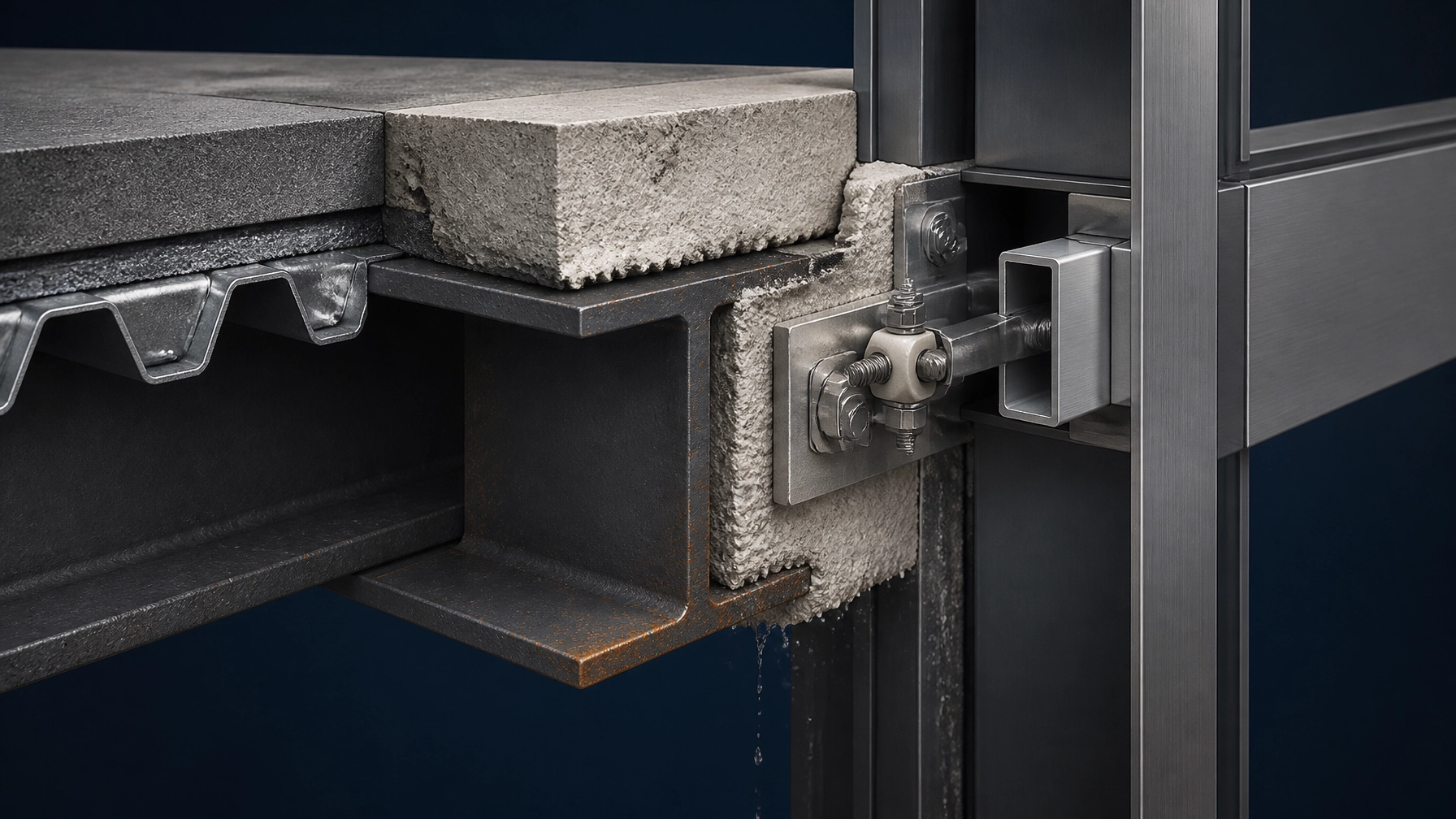
In residential project management, the friction point exists between the contractor’s push for "practical completion" and the forensic reality of the installation. A checklist might confirm that a window is "installed and sealed," but it fails to analyze the chemical compatibility of the sealant with the flashing membrane or the hydrostatic pressure resistance of the assembly.
Friction Points in Site Oversight:
- Binary Logic: Checklists ask "Is it there?" rather than "How will it perform under peak load?"
- Visual Bias: Inspectors focus on aesthetic finishes while ignoring the forensic indicators of future failure, such as improper fastener spacing or capillary breaks in the building wrap.
- Audit Engagement Gaps: Standard audits are often periodic and sampled, whereas latent defects are frequently systemic and localized to critical junctions.
For client-side project management, this gap represents a massive financial and legal exposure. Without a forensic approach, the "quality of finish" often masks structural non-compliance that standard oversight bodies are not equipped to detect.
Forensic Analysis: Identifying the Latent Signature
A forensic investigation protocol does not start with a checklist; it starts with a hypothesis. This methodology, defined by ASTM E678 (Standard Practice for Evaluation of Scientific or Technical Data), requires the investigator to treat the building as a series of integrated systems rather than isolated components.

1. The Building Envelope (Water Ingress)
In high-end custom homes, complex geometry often leads to waterproofing failures. A standard inspection checks if the membrane is applied. A forensic analysis, following ASTM E2128 (Standard Guide for Evaluating Water Leakage of Building Walls), evaluates the service history, performs diagnostic testing, and develops a hypothesis on the moisture migration path.
2. Concrete and Structural Integrity
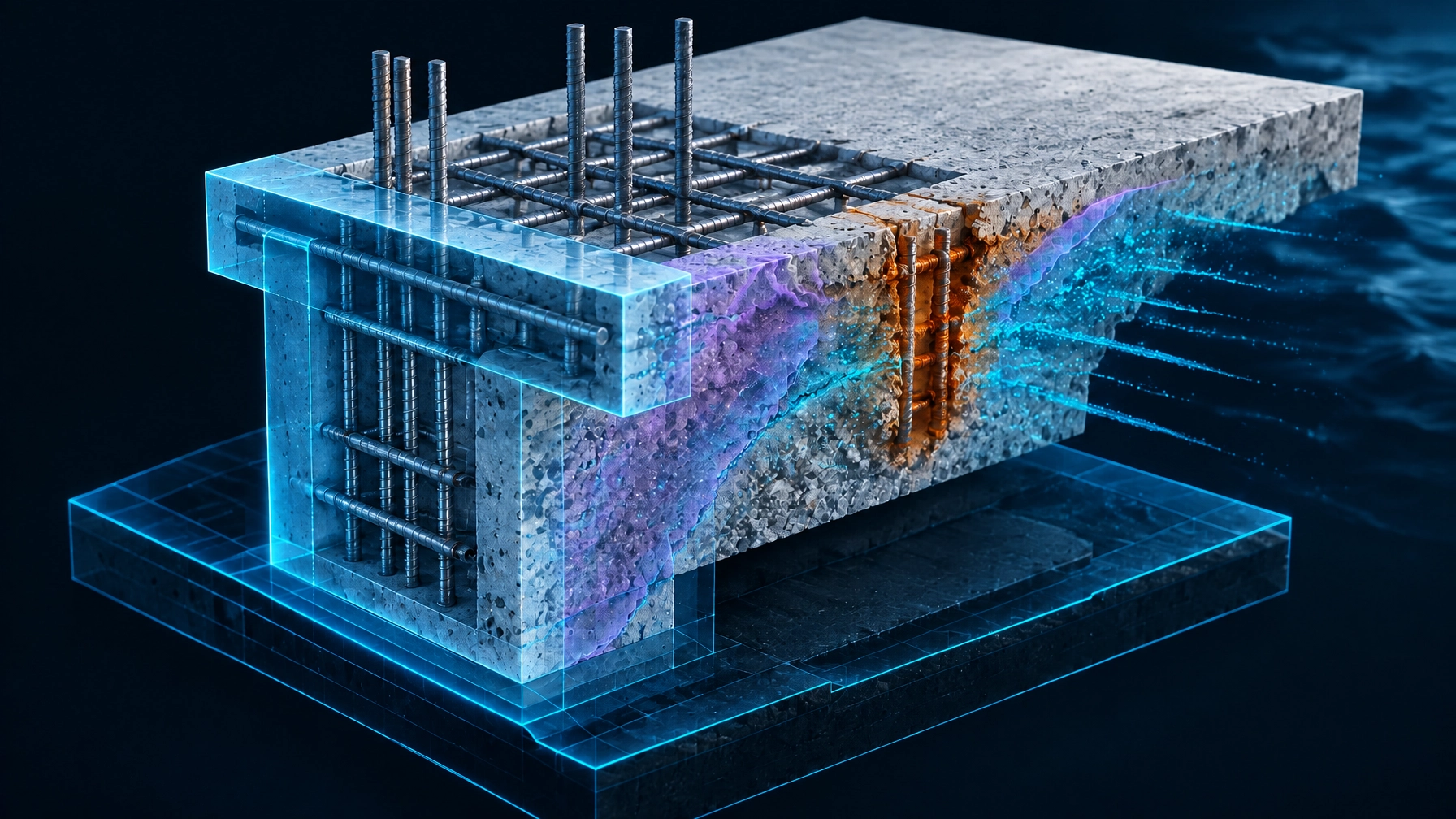
Standard inspections check for "visible cracks." A residential building consultant using a forensic protocol utilizes Non-Destructive Testing (NDT). This includes Ground-Penetrating Radar (GPR) to verify rebar placement and cover depth or Ultrasonic Pulse Velocity (UPV) to detect internal voids that are invisible to the naked eye.
3. Thermal and Mechanical Performance
Thermal bridging in high-end residences is a common latent defect leading to condensation and mold. While a checklist might confirm insulation is "installed," forensic thermography reveals gaps in the thermal envelope that violate ISO 9001 quality standards and energy performance requirements.
Standard Reference: The Global Forensic Framework
To move beyond the limitations of local checklists, construction advisory must align with rigorous international standards. These standards provide the clinical benchmarks for performance that local codes often oversimplify.
- ASTM E2128: The gold standard for investigating building wall leakage. It mandates a systematic evaluation including document review, visual inspection, and confirmation by testing.
- ASTM E1188: Provides guidance for the collection and preservation of information and physical evidence during a forensic investigation.
- ACI 318: International standard for structural concrete, used to verify whether the "as-built" reinforcement meets the required strength and durability parameters.
- ISO 10005: Provides guidelines for quality plans, ensuring that the construction risk management services applied to a project are consistent and forensic in nature.
- AAMA 501.2: The standard for field testing of newly installed storefronts, curtain walls, and sloped glazing systems for water penetration.
By citing these standards, a building dispute consultant can provide an authoritative baseline that holds contractors accountable to global performance metrics, rather than just local minimums.
Actionable Fix: Implementing the Forensic Verification Model
For the custom home build consultant, the solution is to replace "Checklist Inspections" with "Forensic Verification Points" (FVPs).
Step 1: Establish High-Risk Junctions
Identify technical junctions where the risk of latent failure is highest: balcony drainage, subterranean waterproofing, and complex roof-to-wall transitions.
Step 2: Mandatory Non-Destructive Testing (NDT)
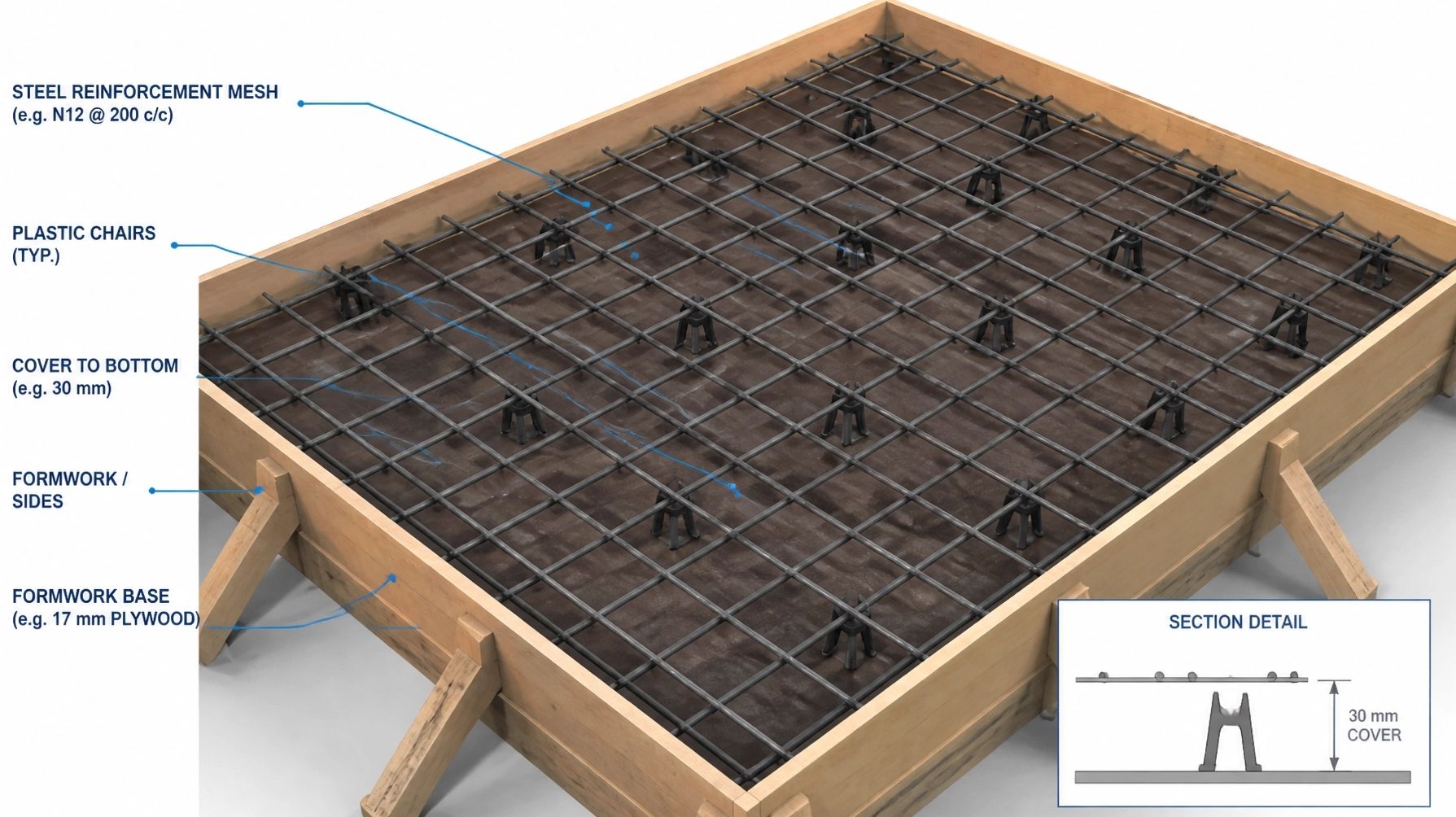
Specify in the construction contract that certain milestones require forensic verification. For example, mandate GPR scanning of post-tensioned slabs before the application of finishes.
Step 3: Document Evidence Expeditiously
Per ASTM E1188, document site conditions using high-resolution 3D scanning or photogrammetry. This creates a "Digital Twin" of the concealed services, providing an indisputable forensic record should a dispute arise.
Step 4: Engage Forensic Advisory Early
Don't wait for a leak or a crack. A home renovation consultant or construction advisory Australia specialist should be engaged during the planning phase to review detailing for forensic "red flags" before a single brick is laid.
Conclusion: The Forensic Elite Advantage
The difference between a successful high-end build and a legal disaster is the depth of oversight. Standard checklists are for the average; forensic protocols are for the elite. By adopting a clinical, data-driven approach to construction compliance, professionals can ensure that the "high-end" nature of a project is not just a surface-level promise, but a structural reality.
Shoal Bay Projects operates as the forensic bridge, providing the intelligence required to navigate these complex friction points.
For further insights into forensic construction intelligence, visit our YouTube channel:
Shoal Bay Projects - The Hive YouTube
⚠️ The image in this post is used for illustration purposes only, designed to encourage thoughtful discussion. It is not intended to represent a prescriptive detail of any installation or construction method.
Claim Your Foundation Membership
The Vault. The App. The Community. We're opening the doors to a select group of Foundation Members : free, for a limited time. Foundation Membership includes full access to The Vault (our forensic intelligence archive) and early access to the Hive app.
Once the charter window closes, this tier is gone permanently. Foundation Members retain access for life. This is not a trial : it's a permanent invitation to the founding cohort.
Claim Your Foundation Membership →
Circle-Ready Pack
Intro for the Community:
Why do high-end builds still fail? We’re diving deep into the "Checklist Fallacy." If you’re relying on standard site walk-throughs to catch latent defects, you’re leaving yourself and your clients exposed. This week, we analyze the forensic protocols required to bridge the gap between "practical completion" and actual structural performance.
Blog Title: The Forensic Investigation Protocol: Why Standard Inspection Checklists Miss Latent Defects in High-End Residential Construction
Link: https://shoal-bay-projects.webflow.io/blog/the-forensic-investigation-protocol
Key Forensic Takeaways:
- The Checklist Fallacy: Standard checklists are binary and visual; latent defects are systemic and concealed.
- Hypothesis-Driven Oversight: Effective investigation requires move from "observing" to "testing hypotheses" per ASTM E2128.
- Forensic Verification Points (FVPs): Implementing mandatory NDT (Non-Destructive Testing) at high-risk junctions is the only way to ensure compliance in custom residential projects.
Images Included: