Construction
Sep 23, 2026
The Unowned Scope: Attachment-Stack Coordination Failures Behind Modern Facade Defects
The Unowned Scope: Attachment-Stack Coordination Failures Behind Modern Facade Defects

The Unowned Scope: Attachment-Stack Coordination Failures Behind Modern Facade Defects
Modern facade defects rarely originate from a single defective component. More often, they form at the boundary between competent trades, approved submittals, and incomplete ownership.
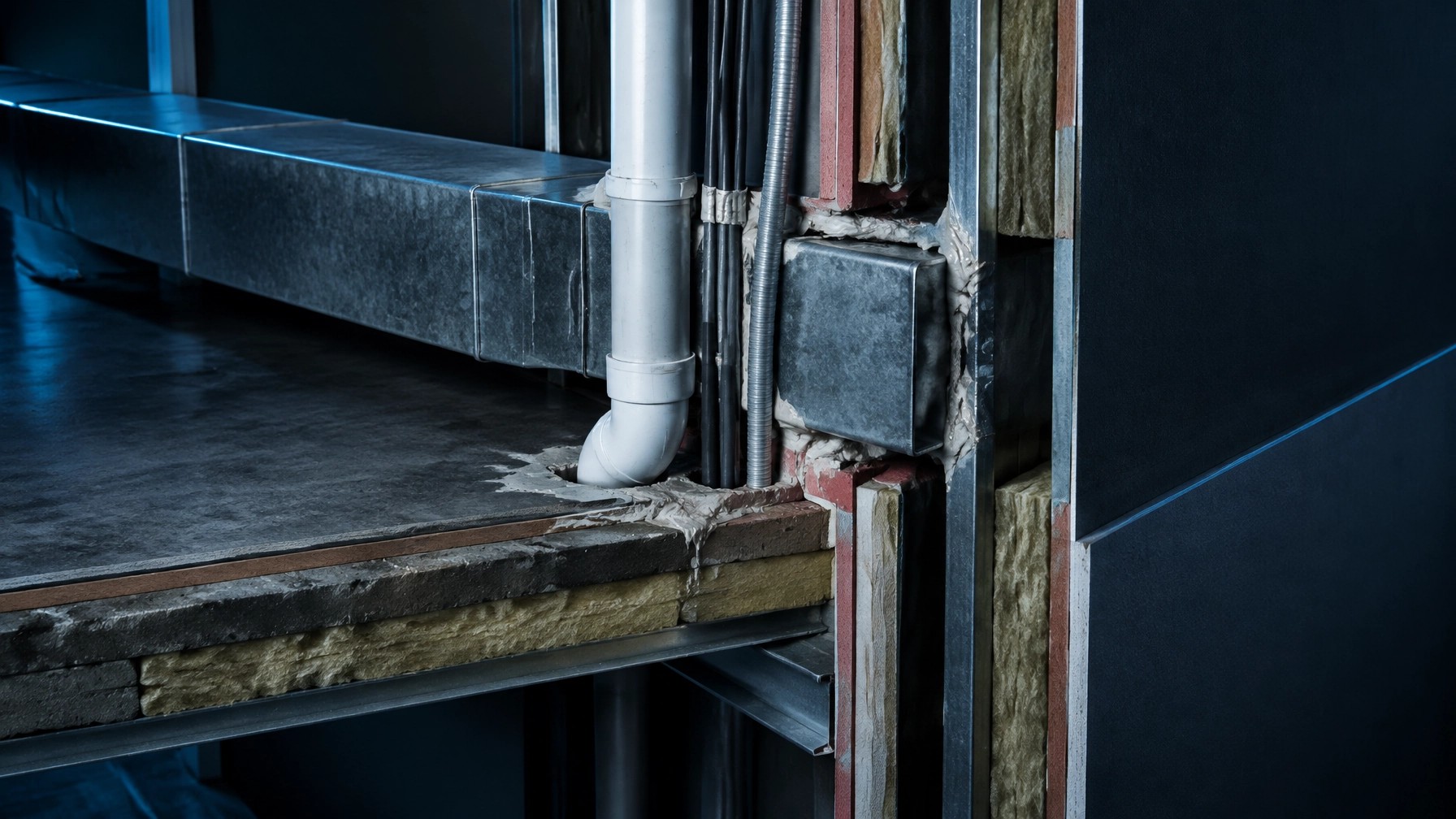
The interface between cementitious fireproofing and cladding attachments is a high-risk example. Structural steel, sprayed fire-resistive material, brackets, fasteners, rails, membranes, and facade panels may each be designed and installed under separate scopes. Yet the final performance of the assembly depends on how those scopes interact.
That interaction is frequently unowned.
In Dubai, Singapore, the UK, and other highly regulated construction markets, this gap can produce more than an untidy interface. It can create compromised fire-resistance continuity, concealed galvanic corrosion, water retention, disputed responsibility, and expensive remedial access after the facade is complete.
At exposed steel facade frames, cementitious fireproofing is often applied before the cladding support system is fully installed. The fireproofing contractor works to structural steel drawings. The facade contractor works to bracket and panel drawings. The steel fabricator works to connection details. The coatings contractor works to a corrosion-control specification.
Each party may be performing its contractual task correctly while the assembled interface remains defective.
Typical failure conditions include:
The visible symptom may be blistering, staining, corrosion bleed, cracking, debonding, panel movement, or a local gap in the fire protection layer. The originating failure, however, is usually contractual and procedural: no party was assigned ownership of the complete interface.
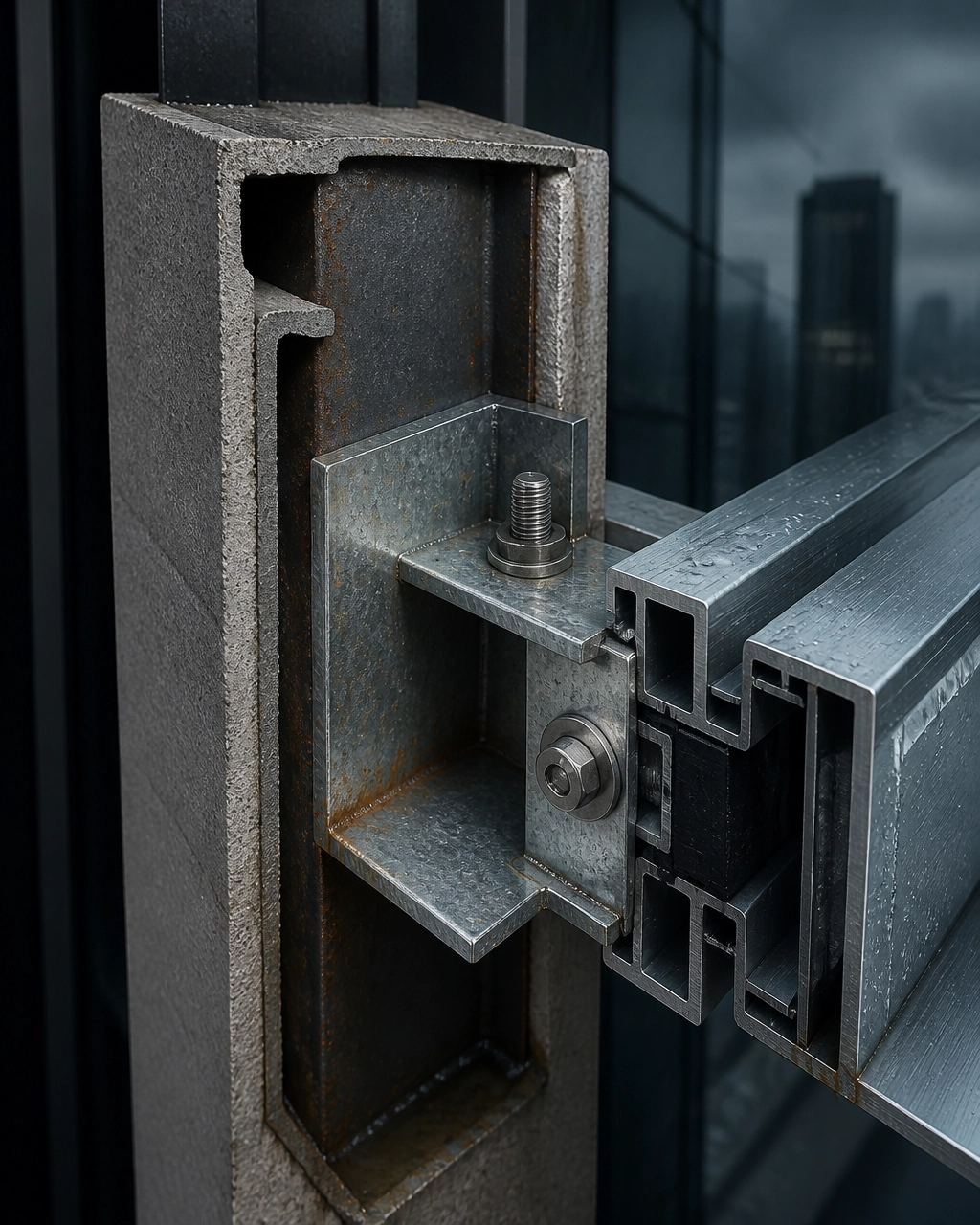
A forensic review should not begin with the assumption that the most visible component caused the defect. Reconstruct the complete attachment stack and identify every material, interface, sequence, and inspection hold point.
A typical assembly may include:
The risk is not limited to direct metal-to-metal contact. Moisture can create an electrolyte path between metals that are separated geometrically but connected electrically through fasteners, brackets, plates, or wet cementitious material.
Cementitious fireproofing is commonly treated as a uniform coating. At a facade attachment, it is not uniform. It has a termination, a return, an edge condition, and a relationship with the bracket plate.
Those conditions must be resolved before installation.
A field worker who cuts back material to achieve a clean bracket fit may improve the visible finish while reducing the tested or intended fire-resistance configuration. Conversely, a fireproofing applicator who covers a bracket without understanding its drainage, movement, or inspection requirements may create a water trap or obstruct future maintenance.
This is where the clash between "quality of finish" and structural or fire-performance requirements becomes material. A smooth, visually complete surface is not necessarily a compliant or durable interface. The correct question is not whether the finish looks continuous. It is whether the complete assembly retains its required performance after attachment, movement, moisture exposure, and maintenance access are considered.
Mixed-metal facade assemblies are particularly vulnerable where moisture is persistent and inspection access is limited.
A carbon-steel frame connected to galvanized brackets, stainless fasteners, and aluminum rails contains several different electrochemical materials. If moisture bridges these materials, the more anodic metal may corrode preferentially. The rate and severity depend on the alloy combination, surface condition, electrolyte, area ratio, temperature, and duration of wetness.
Cementitious fireproofing must not be assumed to prevent this process. It is a fire-resistive material, not a complete corrosion-control system. Its porous nature may also retain moisture when the surrounding facade detail does not drain or dry effectively.
Review the following forensic indicators:
The critical distinction is between material failure and interface failure. A bracket may be adequately designed in isolation. A fireproofing product may have passed its required testing. An aluminum rail may meet its coating requirements. The defect can still arise because the combined stack was never reviewed as one system.
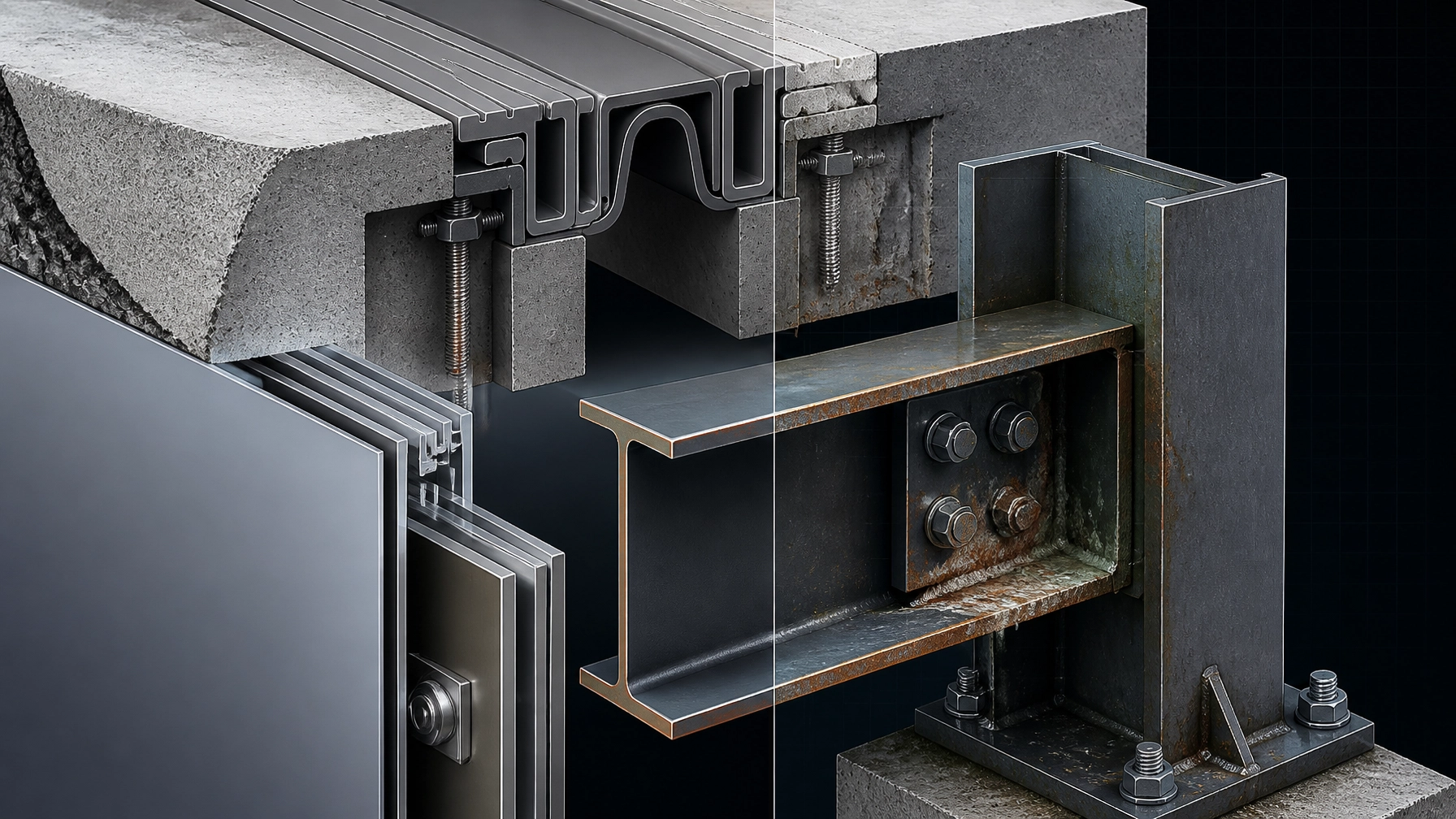
The unowned scope is not a minor coordination inconvenience. It is a latent defect mechanism.
At exposed steel facade frames, fireproofing, structural attachments, facade metals, coatings, membranes, and inspection regimes must be evaluated as one performance system. Assign the interface. Review the sequence. Isolate incompatible metals. Control moisture. Verify the concealed work before the facade removes access.
Shoal Bay Projects operates as the forensic advisory bridge between design intent, site execution, compliance interpretation, and defensible project records. The objective is not to allocate blame after failure. It is to prevent an interface defect from becoming a fire-performance uncertainty, a corrosion claim, or a legal and financial event.
For deeper construction intelligence, subscribe to the Shoal Bay Projects Hive YouTube channel.
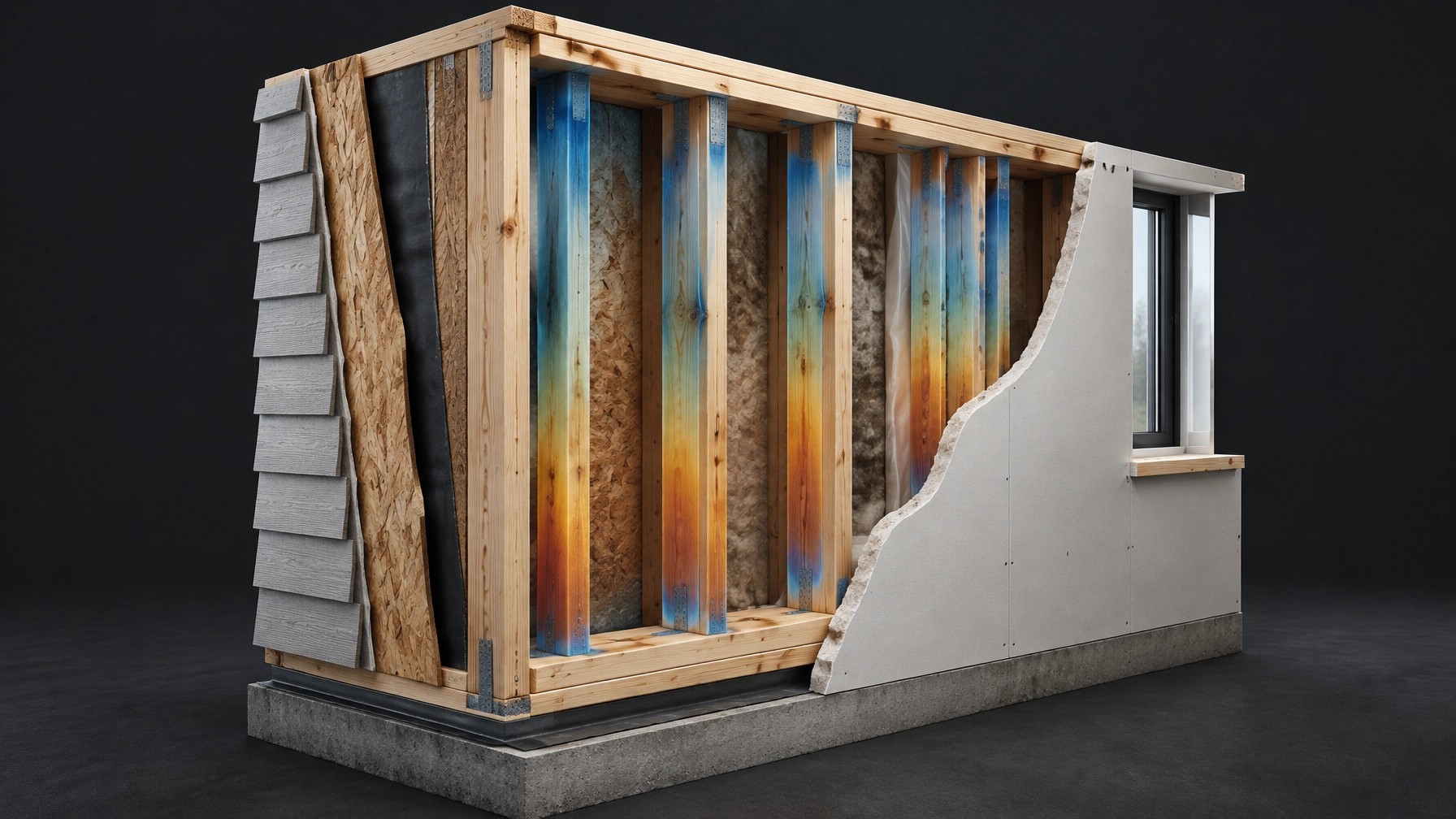
⚠️ The image in this post is used for illustration purposes only, designed to encourage thoughtful discussion. It is not intended to represent a prescriptive detail of any installation or construction method.
The Vault. The App. The Community. We're opening the doors to a select group of Foundation Members, free, for a limited time. Foundation Membership includes full access to The Vault (our forensic intelligence archive) and early access to the Hive app.
Once the charter window closes, this tier is gone permanently. Foundation Members retain access for life. This is not a trial, it's a permanent invitation to the founding cohort.